Disaster Risk Reduction
Disaster Risk Reduction (DRR)
A “disaster” may be a situation that causes substantial losses and damage to communities and individuals, possibly including losses of life and livelihood assets and damage to the ecosystem, which leaves the affected communities unable to function normally without outside assistance. “Disaster risk” is that the likelihood that individuals will experience disasters. This risk could be a function of the character, probability, and intensity of hazards; the vulnerability of the people to those hazards; and, inversely, of their capacities to resist or address these hazards.
Disaster Risk Reduction Is Everyone’s Business
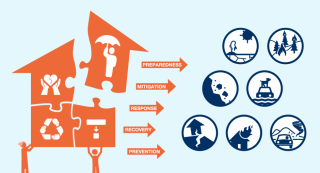
Disaster risk reduction includes disciplines like disaster management, disaster mitigation, and disaster preparedness, but DRR is additionally a part of sustainable development. so as for development activities to be sustainable, they have to also reduce disaster risk. On the opposite hand, unsound development policies will increase disaster risk – and disaster losses. Thus, DRR involves every a part of society, every a part of the govt., and each a part of the professional and personal sector.
National Disaster Risk Reduction Policy
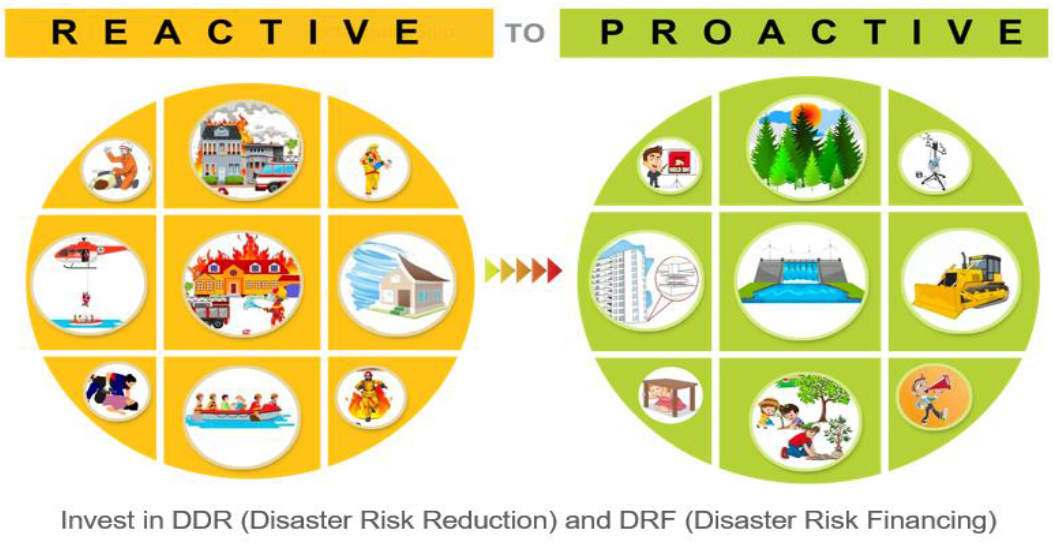
Pakistan prepared its 1st National Disaster Risk Reduction (DRR) Policy in 2012 reflecting a significant shift in Government of Pakistan’s traditional emphasis on disaster response (reactive) to disaster reduction (proactive), and in effect seeking to market a culture of prevention and preparedness.